Adolescents in Obesity Treatment

As a Black female teenager, you may notice that you tend to struggle with managing your health and issues related to weight.
Right now, it's estimated:
In the US, 23.5% of non-Hispanic Black youth are overweight or obese; a significantly higher rate than in non-Hispanic White and non-Hispanic Asian youth.
Worldwide, adult obesity has more than doubled since 1990, and adolescent obesity has increased by 4x.
This page explores the risks that come with obesity, the different members of an obesity treatment team in healthcare, and provides a link to additional pages with information on:
1. Finding Supportive Mental Health Treatment
2. Finding food in your area or a nutritionist to help support changing nutiriton habits
3. Identifying resources for physical activity
Reflection Question: Is my weight an issue for me?
Knowing the Warning Signs:
How do you know if your weight needs to be addressed?
You may want to speak to your parent or healthcare provider, if you notice changes in some of these areas:
Physical Changes:
- Growing number of health issues (prediabetes, high blood pressure, sleep apnea/snoring)
- Often in physical discomfort or notice decrease in your ability to move around comfortably
- Rapidly outgrowing your clothes or large changes in weight in a short amount of time.
Mental Health / Behavioral Red Flags:
- Poor or depressed mood and talking to yourself negatively
- Frequently thinking about dieting, skipping meals, or using other ways to lose weight
- Experiencing bullying about weight
- Wanting to be more withdrawn or isolatied
Family History:
- Having multiple history of obesity and/or other health issues within your immediate family, such as parents and grandparents, siblings etc.


What health risks come with being overweight or obese?
Being overweight or having obesity also includes having a higher BMI, or Body Mass Index. It can also increase the chance that you may develop more health problems, including:
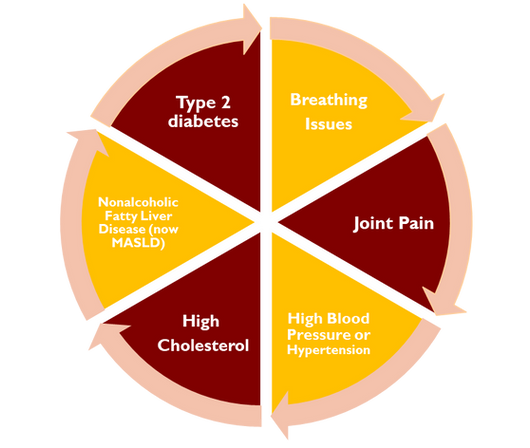
Making lifestyle changes that include managing eating habits and adding meaningful movement into your everyday life can help with managing obesity and reduce the chances of the developing these conditions.
Are there any other thar risks that come with being overweight or obese?
Many youth and teens who are overweight or obese may experience weight-related teasing or bullying, which can affect your mental health.

For many teens, the emotional toll of being labeled “obese” during such a vulnerable stage of identity development can be long-lasting.
Click the link below to learn more about how to find mental health support to help you navigate this journey.
Your Healthcre Team Members
You do NOT have to do this ALONE.
Taking care of your body involves more than just one appointment or one provider.
Your care team is a group of people whose job is to support you — your health, your goals, and how you feel in your everyday life. Each person on your team has a different role.
Scroll to learn who may be part of your care team and how you might work with each of them on your journey.

Medical - Physicians, Physican Assitants, Nurse Practioners, Nurses
These medical professionals include your normal Pediatrician or PCP (Primacy Care Provider), Adolescent Medicine Specialist, Gastroenterologist, and more help monitor overall health and growth.
They will monitor your weight, blood pressure, bloodwork/labs, sleep, and energy levels.
They also provide education, encouragement, and follow-up support during and between visits.
Your care team should listen to you, respect your lived experiences, and avoid judgment or being stigmatizing.

Mental & Behavioral Health Therapists / Clinicians
Mental and behavioral health providers support emotional well-being.
They can help you process stress, body image concerns, or experiences with bias or bullying.
Sessions can include talk therapy, coping skills, or family sessions when helpful.
These providers help strengthen confidence, self-esteem, and motivation.
*Remember that Mental Health Care is an important part of whole-person obesity treatment.

Nutrition - Registered Dieticians / Nutritionists
Dietitians support nutrition in a realistic and culturally affirming way.
They may talk with you about favorite foods, family meals, and cultural traditions.
Sessions often focus on balance, nourishment, and energy — not restriction or dieting.
You can work with the dietitian to set goals that fit your lifestyle, school schedule, and household routines and build a healthy relationship with food.

Physical - Occupational & Physical Therapists
Physical and occupational therapists support movement and daily functioning.
They help you find enjoyable, safe ways to move your body.
Sessions may focus on strength, flexibility, stamina, or reducing pain and discomfort.
Therapists work at the adolescent’s pace and respect her abilities and goals.
Movement is framed as empowerment and well-being, not punishment.
So, what next?